
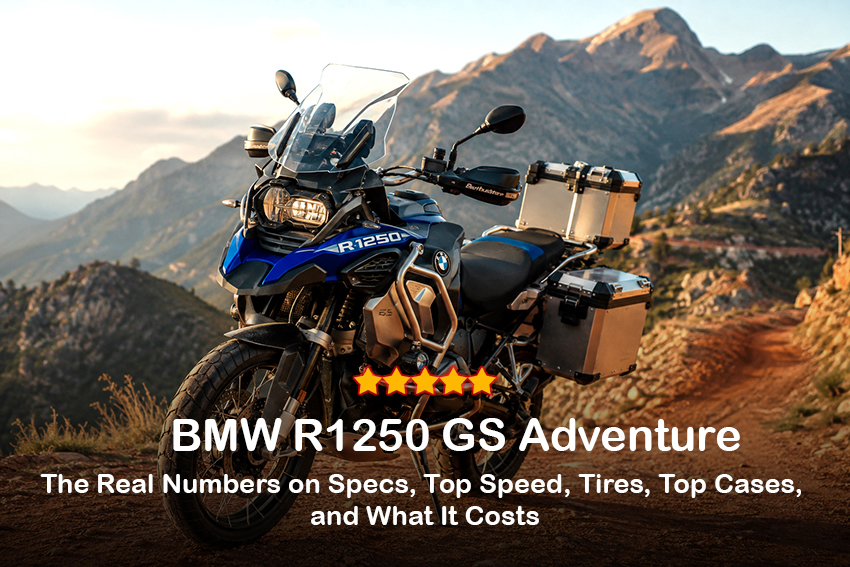
If you’ve spent any time on adventure-bike forums, you already know the R1250 GS Adventure isn’t just a motorcycle — it’s the bike everyone else gets compared to. Big tank, tall stance, that unmistakable boxer growl. But “the benchmark” doesn’t tell you what you actually want to know: how fast it really goes, what it costs once the dust settles, which tires hold up on gravel, and whether that GIVI top case everyone recommends is worth the money.
That’s what this guide is for. No fluff, no recycled spec sheets — just the numbers riders actually search for.
🏍️ Editor’s Pick for GS Adventure Fans
BMW R1250 GS ADV Alloy Die-Cast Motorcycle Model — Off-Road Collector’s Edition “Check Current Price“
Quick Facts: BMW R1250 GS Adventure
| Spec | Detail |
| Engine | 1,254cc liquid-cooled boxer twin, ShiftCam variable valve timing |
| Power | 136 hp @ 7,750 rpm |
| Torque | 143 Nm (105.5 lb-ft) @ 6,250 rpm |
| Top Speed | ~130 mph / 210 km/h (real-world figures vary by load and rider) |
| Transmission | 6-speed, shaft drive |
| Seat Height | 890 mm (35.0 in) minimum, adjustable |
| Wet Weight | ~268 kg / 591 lb, fully fueled and ready to ride |
| Fuel Tank | 30 liters (7.9 US gal) |
| Fuel Economy | ~4.75 L/100km (roughly 49 mpg US, WMTC cycle) |
| Tires (OEM) | Front 120/70 R19, Rear 170/60 R17 |
| US Starting MSRP (final model year) | Around $20,745 before destination charge and packages |
| Successor | BMW R1300GS Adventure (introduced for 2025) |
Worth noting: BMW folded the R1250 GS Adventure into the new R1300GS Adventure starting with the 2025 model year, so new units are getting harder to find — which is part of why used 2019–2024 models hold their value so well.
BMW 1250 GS Adventure Review: What It’s Actually Like to Ride
Numbers on paper only tell half the story, so here’s the honest version.
On the highway, the Adventure is genuinely comfortable for hours at a stretch. The wide seat, tall windscreen, and long-travel suspension soak up expansion joints and rough pavement that would beat you up on a sportier tourer. Cruise control and heated grips (standard on most Premium-package bikes) make it a legitimate long-haul machine, not just a bike that looks like one.
In town, the size is the trade-off. At nearly 270 kg wet, low-speed maneuvering — U-turns, parking lot shuffles, tight lane splits — takes some getting used to, especially for shorter riders. The seat height, even in the low position, keeps this firmly in “confident rider” territory rather than beginner-friendly.
Off-road, and this is where the “Adventure” name earns its keep, the extra suspension travel and bigger tank (30L vs. the standard GS’s 20L) mean you can point it down a fire road or a stretch of unpaved backcountry without immediately worrying about fuel range. It’s not a dirt bike, and nobody buying one should expect motocross agility, but for loaded touring on mixed surfaces, few bikes in this class do it better.
The recurring theme in owner feedback: people don’t complain about performance. The complaints, when they exist, are almost always about weight at a standstill and the cost of maintenance and accessories — which brings us to the next two sections.
Top Speed of the BMW R1250 GS Adventure
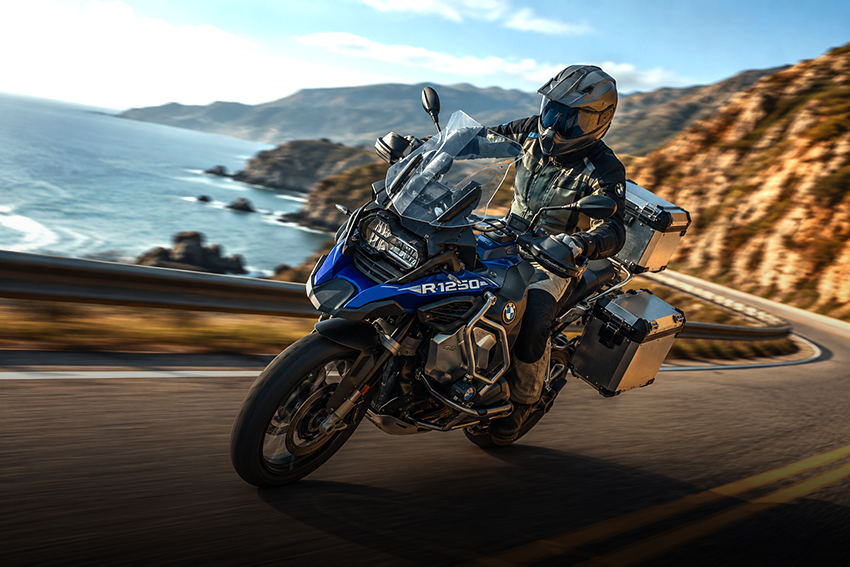
Officially, the R1250 GS Adventure tops out at roughly 130 mph (210 km/h) on a closed track, in ideal conditions, with a lighter rider and no luggage. In everyday riding — with panniers loaded, a passenger on board, or a headwind — most owners report a realistic sustained top speed closer to 110–120 mph (175–195 km/h) before things start feeling like more than the bike (or the tires) really want to give.
For context, that’s plenty of headroom over any US highway speed limit, and the bike is far more relevant for how it holds triple-digit cruising speeds comfortably than for outright top-end. This isn’t a bike built to chase a number on a speedometer — it’s built to hold 80 mph all day on a loaded tank without drama.
Best Tires for the BMW R1250 GS Adventure
Tire choice on this bike comes down to one honest question: how much dirt are you actually planning to ride?
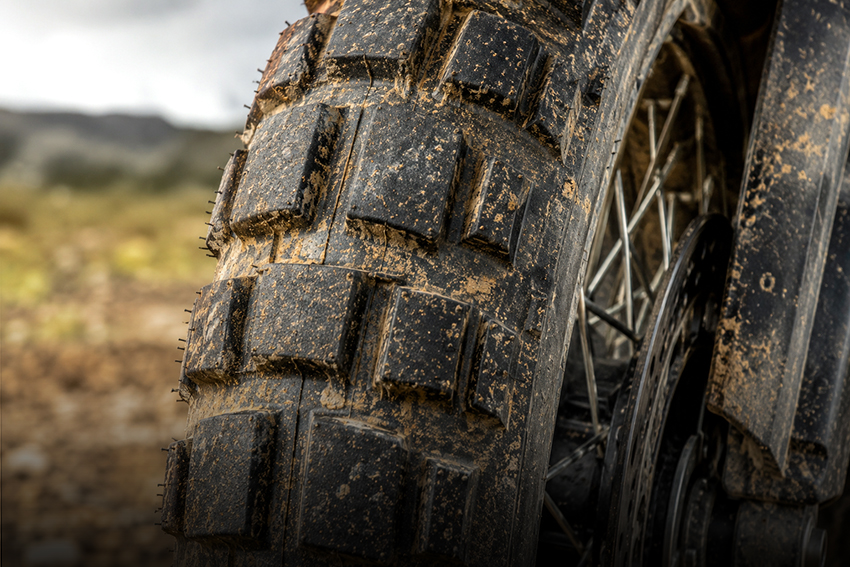
Mostly pavement, occasional gravel road (80/20 or 90/10): Tires like the Michelin Anakee 3 or the Metzeler Tourance Next 2 are the go-to picks here. They’re built for mileage and wet-weather grip on tarmac first, with enough tread to handle a dry gravel road without drama.
Balanced mixed riding (50/50): This is where most Adventure owners land, and tires like the Continental TKC 70 or the Metzeler Karoo Street strike a fair compromise — noticeably more bite off-road than a street-biased tire, without the harshness and rapid wear you get from a full knobby on the highway.
Serious off-road riding (20/80 or dirt-focused): For riders who genuinely spend most of their time on unpaved trails, the Continental TKC 80 and Metzeler Karoo 4 are the community favorites. Expect shorter tread life on pavement in exchange for real traction on loose surfaces, mud, and rock.
A couple of practical notes regardless of which you pick: the GS Adventure’s weight is hard on tires, so budget for shorter-than-expected tread life compared to a lighter bike, and always match front and rear compounds from the same tire family — mixing brands or tread patterns front-to-rear changes handling more than most riders expect.
🏍️ Can’t Get to the Garage Today?
Not every GS fan has a driveway with a real one parked in it yet. Some just want the shape, the colors, and the details on a shelf where they can see it every day.
“See the BMW R1250 GS ADV Die-Cast Model “
Top Case for the BMW R1250 GS Adventure (Including GIVI Options)
A top case is one of the first accessories most Adventure owners add, and for good reason — it turns the bike from “great for a weekend away” into “genuinely ready for a two-week trip.”
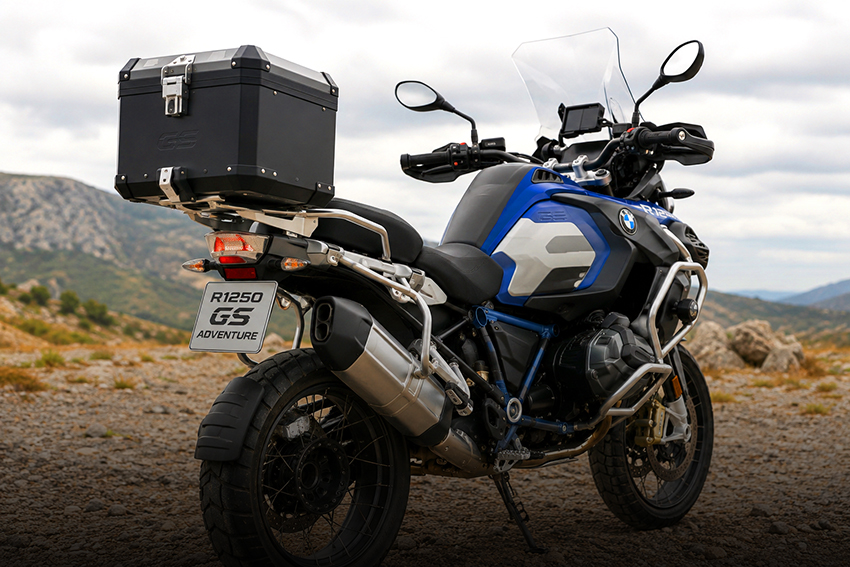
BMW’s own aluminum top case is the factory option, and it matches the OEM side panniers in finish and mounting hardware if you’re already running BMW’s own luggage system. It’s a clean, integrated look, but it comes at a premium price point compared to aftermarket.
GIVI top cases are the most common aftermarket choice, and for a reason: fitment and value. The GIVI Trekker Outback and Trekker Dolomiti lines are both popular on the R1250 GS Adventure, available in capacities from around 42 to 58 liters depending on how much gear you’re hauling. GIVI’s Monokey mounting system is well-documented and widely supported, and a GS-specific mounting plate makes installation straightforward without cutting into the subframe.
If you’re searching for a “top case para” (for) your R1250 GS Adventure — the short answer is that GIVI’s GS-specific rack kits are built for a direct bolt-on fit, no fabrication needed, which is exactly why they show up so often in owner recommendations across forums and Facebook groups.
One tip before buying: measure your existing pannier width if you’re running BMW’s side cases, since a top case that’s too wide can crowd a passenger or interfere with pannier lids when they’re open.
BMW R1250 GS Adventure Cost: New, Used, and Ongoing
New (while it was in production): The Adventure’s US starting MSRP landed around $20,345–$20,745 depending on model year, before the destination charge and before adding any of BMW’s option packages. Once you add the Premium package — Dynamic ESA, keyless ride, additional ride modes, and comfort features most buyers end up wanting anyway — realistic out-the-door pricing for a well-optioned new unit typically ran $24,000–$27,000.
Used market (2024 snapshot): Because BMW has moved to the R1300GS Adventure for current production, the used R1250 market is active and gives buyers real room to negotiate. Rough ranges by year, for clean, dealer-inspected examples with modest mileage:
- 2019 models: roughly $14,000–$19,500
- 2021–2022 models: roughly $16,500–$20,500
- 2023–2024 models: roughly $18,500–$22,000
Condition, mileage, and which option packages were fitted swing these numbers significantly — a low-mile 2023 with the Rally package can cost more than a higher-mile 2024 base bike.
Ongoing costs to budget for: BMW dealer service intervals aren’t cheap (expect service visits in the $400–$900 range depending on what’s due), tires wear faster than on lighter bikes, and aftermarket protection — crash bars, skid plates, and a top case — easily adds another $1,500–$2,500 if you’re building the bike out properly.
🏍️ A Lower-Cost Way to Keep the GS Adventure in Your Life
Full ownership costs aside, plenty of riders — and non-riders who just love the design — pick up the die-cast alloy model as a desk piece, a gift, or a placeholder while they save for the real thing. It’s the same silhouette, same off-road stance, at a fraction of the price of even a single service visit.
“Get the BMW R1250 GS ADV Die-Cast Model “
Frequently Asked Questions
What is the top speed of the BMW R1250 GS Adventure? Around 130 mph (210 km/h) on a closed track under ideal conditions. Loaded touring speeds in real-world riding are typically closer to 110–120 mph.
How much does a BMW R1250 GS Adventure cost? New units, while in production, started around $20,345–$20,745 MSRP before options. A well-optioned new bike often ran $24,000+. Used examples currently range roughly $14,000–$22,000 depending on year and condition.
What are the best tires for a BMW R1250 GS Adventure? It depends on your riding split. Michelin Anakee 3 or Metzeler Tourance Next 2 for mostly-road riders, Continental TKC 70 or Metzeler Karoo Street for balanced 50/50 riding, and Continental TKC 80 or Metzeler Karoo 4 for dirt-focused riders.
Does the BMW R1250 GS Adventure need a specific top case? Not strictly, but GIVI’s GS-specific Monokey rack and case combinations (Trekker Outback or Trekker Dolomiti) are the most popular bolt-on fit, while BMW’s own aluminum top case matches the factory pannier system for a fully integrated look.
What changed with the 2019 BMW R1250 GS Adventure? 2019 introduced the 1,254cc ShiftCam boxer engine with variable valve timing, replacing the older 1,170cc unit, along with standard ABS Pro and Dynamic Traction Control.
Final Thoughts
The R1250 GS Adventure earned its reputation the hard way — by being genuinely good at long-distance touring, competent off-road, and durable enough to rack up six-figure mileage without falling apart. Whether you’re chasing a used deal, kitting one out with the right tires and a top case, or just building out a collection while you plan your next big ride, it’s a bike that rewards research before you buy.
And if the real thing isn’t in the budget this year, there’s no shame in starting with the model on your desk.